Driving gives you freedom and helps you stay independent as you get older. In the U.K., there is no maximum age for driving. However, the rules change when you turn 70. You must renew your driving licence and meet DVLA health and eyesight rules. U.S driving license rules for seniors are defined in this guide.
This guide explains U.K driving license rules for seniors in simple words. You will learn about licence renewal, medical conditions, eyesight rules, and driving tests. We also cover key safety tips to help you stay safe and confident on the road.
- U.K. Driving Licence Rules for Seniors at a Glance
- Is There a Maximum Driving Age in the U.K.?
- What Happens to Your Driving Licence When You Turn 70?
- How to Renew Your Driving Licence at 70 or Over
- Do Senior Drivers Need an Eyesight Test in the U.K.?
- Medical Conditions Senior Drivers Must Report to DVLA
- Can a Doctor or Family Member Report an Unsafe Older Driver?
- Do Drivers Over 70 Have to Retake the Driving Test?
- Driving Assessments for Older Drivers
- How Medicines Can Affect Senior Drivers
- Warning Signs That You May No Longer Be Driving Safely
- Tips for Older Drivers to Stay Safe on the Road
- Best Car Safety Features for Senior Drivers
- Alternatives If Driving Is No Longer Safe
- Frequently Asked Questions
- At what age do you have to renew your driving licence in the U.K.?
- How often do drivers over 70 renew their licence?
- Is there a maximum driving age in the U.K.?
- Do over-70s need an eyesight test to renew a licence?
- Do you have to retake your driving test at 70?
- Can you renew an over-70 driving licence online?
- Is driving licence renewal free for over-70s?
- Can a doctor report an unsafe elderly driver to DVLA?
- Can family report an unsafe older driver?
- Are U.K. driving licence rules for over-70s changing?
- Conclusion
U.K Driving License Rules for Seniors at a Glance
Turning 70 does not mean you must give up driving. However, a few licence rules change at this age. You need to renew your licence more often and make sure you remain safe and fit to drive.
| Rule | What It Means for Older Drivers |
| Renewal at 70 | You need to renew your driving licence when you reach your 70th birthday. |
| Renew every three years | Once you are 70, a new licence normally lasts for three years before another renewal is needed. |
| No renewal fee | Drivers aged 70 and over can use the DVLA online renewal service without paying a fee. |
| No maximum driving age | UK law does not set an age when every driver must stop driving. |
| No automatic driving test | You do not need to retake your practical driving test simply because you turn 70. |
| Eyesight rules | You must meet the legal vision standard. You must be able to read a modern number plate from 20 metres away, using glasses or contact lenses if required. |
| Medical conditions | You must inform the DVLA about certain health conditions that could affect safe driving. |
| Renewal reminder | The DVLA normally sends the D46P form around 90 days before your 70th birthday or licence expiry. |
| Early renewal | Eligible drivers can start the online renewal process within 90 days of turning 70 or before the licence expires. |
| C1 and D1 categories | Medium vehicle and minibus entitlements follow extra renewal rules and cannot use the standard online over-70 renewal process. |
These are the main driving licence rules older drivers should know. You still have the right to drive after 70, but you must meet the DVLA’s licence, eyesight, and medical requirements.
Is There a Maximum Driving Age in the U.K.?
No, there is no maximum driving age in the U.K. You do not have to stop driving simply because you reach 70, 80, or even 90. Age alone does not remove your right to drive.
However, you must remain medically fit and able to drive safely. Changes in your eyesight, health, or driving ability may affect your licence. You must also report certain medical conditions to the DVLA.
As long as you meet the legal driving and health rules, you can continue driving.
What Happens to Your Driving Licence When You Turn 70?
When you turn 70, your current driving licence entitlement ends and you must renew it to keep driving. This does not mean you have to stop driving because of your age.
After age 70, you must renew your driving licence every three years. The DVLA usually sends a renewal notice about 90 days before your 70th birthday or licence expiry date.
You can apply for renewal within this 90-day window. During the process, you must confirm that you meet the legal eyesight standards. You must also report any medical condition that may affect your ability to drive safely.
How to Renew Your Driving Licence at 70 or Over
You can renew your driving licence online or by post when you reach 70. The DVLA allows you to apply up to 90 days before your licence expires.
Renew Your Driving Licence Online
The easiest option is to renew your licence online through the DVLA service. Online renewal is free for drivers aged 70 or over.
You can use the service if you live in Great Britain, your licence has expired or will expire within 90 days, and you meet the legal eyesight rules. You must also have legal permission to drive.
You will need to sign in and may need to prove your identity with a passport or driving licence. You can also change your licence photo during the renewal process.
Renew Your Driving Licence by Post
You can also renew your driving licence by post. The DVLA normally sends you a D46P application form about 90 days before your 70th birthday or licence expiry.
If you do not receive the D46P form, you can use a D1 driving licence application form instead.Most Post Office branches provide the D1 form..
Complete the form and send it to the DVLA using the details provided. Your new licence should usually arrive within three weeks. It may take longer if the DVLA needs to check your medical or personal details.
Can You Drive While DVLA Is Renewing Your Licence?
In some cases, you can continue driving while the DVLA processes your renewal. You must have held a valid licence and remain medically fit to drive.
You should have your doctor’s support to keep driving when a health condition is involved. You must also follow the same limits and conditions listed on your previous licence.
You cannot continue driving if you are currently disqualified. The same may apply if your last licence was refused or taken away for medical reasons. If you are unsure, check with the DVLA before driving.
Do Senior Drivers Need an Eyesight Test in the U.K.?
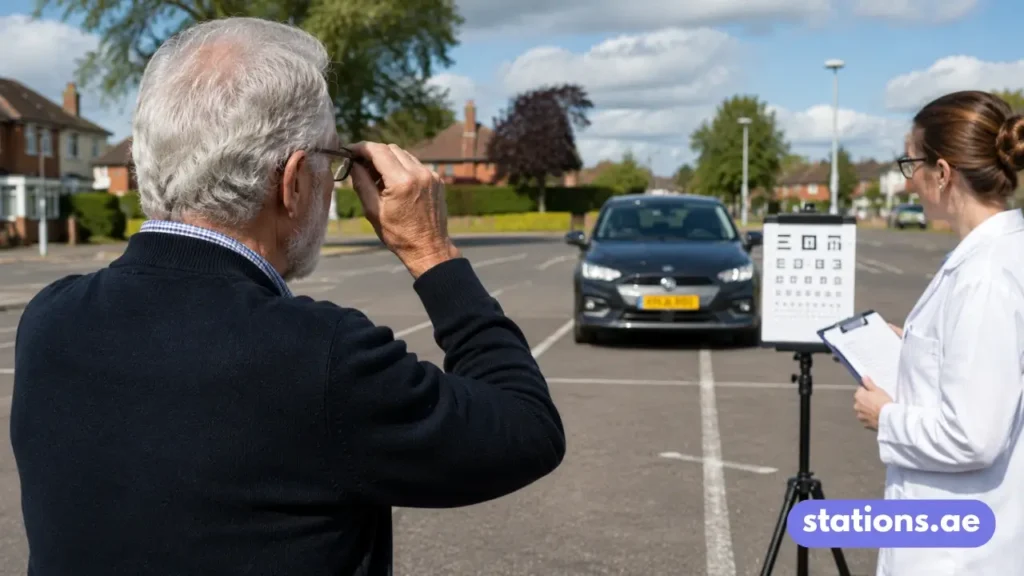
Drivers who are 70 or older need clear enough eyesight for safe driving. However, reaching 70 does not currently mean you must take a formal eyesight test simply because of your age.
Current DVLA Eyesight Rules for Drivers Over 70
You must meet the same legal eyesight standards that apply to other car drivers. This includes reading a new-style number plate from 20 metres away. Glasses or contact lenses can be used if you need them to meet the standard.
When you renew your licence after 70, you make a legal declaration about meeting the required vision standard. It remains your responsibility to make sure your eyesight is suitable for driving.
Proposed Mandatory Eyesight Tests for Older Drivers
In 2026, the Department for Transport consulted on changing the current self-declaration system. One proposal would add mandatory eyesight checks to the licence renewal process for drivers aged 70 and over. This could mean a formal vision check at 70 and during later renewals.
These proposals should not be confused with current law. The consultation considered possible future changes, so drivers should follow the existing DVLA eyesight rules unless new requirements officially take effect.
Medical Conditions Senior Drivers Must Report to DVLA
Your health can change as you get older, so you must check whether a medical condition affects your driving. UK law places the duty on the driver to tell the DVLA about relevant conditions. The exact reporting rule depends on the condition and how it affects you.
Conditions that may need to be reported include dementia or cognitive problems, epilepsy, stroke, diabetes, heart conditions, sleep apnoea, glaucoma, and other vision problems. Blackouts, fainting, or unexplained loss of consciousness can also affect your fitness to drive.
Having a health condition does not always mean you will lose your licence. The DVLA reviews the medical facts and may ask for more details from your doctor or consultant. Always check your condition through the official DVLA health conditions service instead of guessing whether you need to report it.
Yes. I’ll keep the writing human, educational, simple, short, and active. I’ll also write each section in original wording.
What Happens After You Report a Medical Condition?
The DVLA will review your health details after you report a medical condition. It may contact your doctor or consultant for more information about your health.
In some cases, the DVLA may ask you to have a medical examination or eyesight test. You may also need to complete a driving assessment or take a driving test.
After the review, the DVLA may let you keep your licence as normal. It may also issue a short-term medical licence for one, two, three, or five years. This allows the DVLA to review your health again later.
Can a Doctor or Family Member Report an Unsafe Older Driver?
The driver has a legal duty to tell the DVLA about a medical condition that may affect safe driving. A doctor should explain this duty when a health problem raises concerns.
Doctors normally protect patient information. However, GMC guidance says a doctor may contact the DVLA if a patient keeps driving while medically unfit and creates a serious risk to others. Where possible, the doctor should first tell the patient about the planned disclosure.
Family members or other people can also raise concerns about someone’s fitness to drive. The DVLA may then review the case and assess whether the driver still meets the required medical standards.
Do Drivers Over 70 Have to Retake the Driving Test?
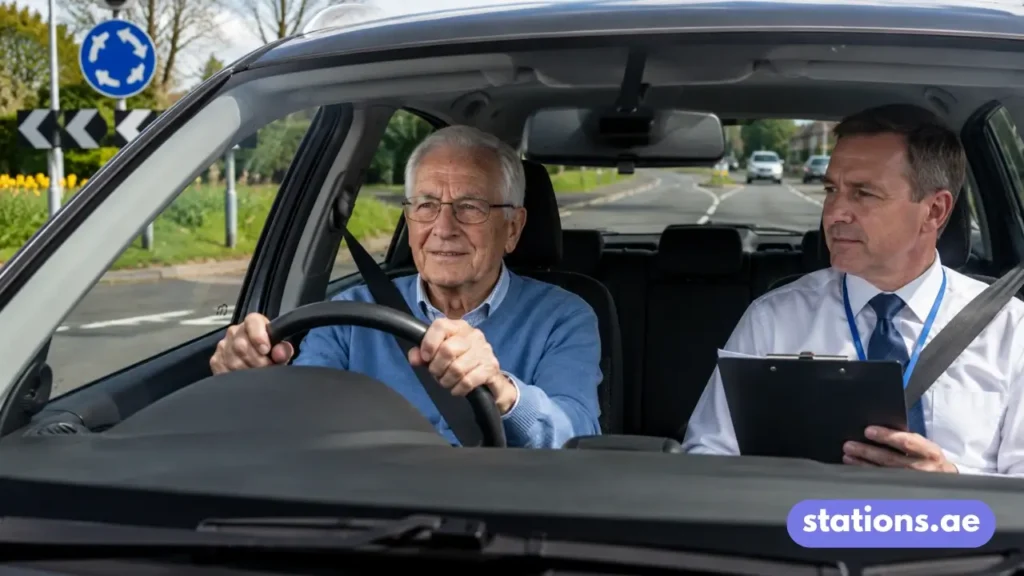
No. You do not have to retake your driving test simply because you turn 70. The main age-based rule is that you must renew your licence every three years.
However, the DVLA may ask you to complete a driving assessment or test if there are concerns about your health or ability to drive safely. This may happen during a medical review.
A driving test checks whether you meet the required standard to drive. A driving assessment is different. It reviews your current skills and may suggest ways to improve your safety and confidence on the road.
Driving Assessments for Older Drivers
A driving assessment can help you understand how well you manage today’s roads. It can also highlight small changes that may make driving safer and less stressful.
What Is an Older Driver Assessment?
An older driver assessment gives an independent review of your current driving skills. It can be useful if you feel less confident or if your family has concerns about your driving.
Many assessments are not simple pass-or-fail tests. The main aim is to check your driving habits, build confidence, and find ways to improve road safety.
What Happens During a Driving Assessment?
You will usually drive on public roads with a qualified assessor. The assessor watches how you handle common tasks, such as junctions, traffic, road signs, and changing road conditions.
Once the drive is over, you get feedback about your driving skills. The assessor may point out areas that need more practice and suggest simple ways to improve your driving.
How Medicines Can Affect Senior Drivers
Some medicines can affect the skills you need for safe driving. This includes prescription drugs and common over-the-counter medicines.
Side effects may cause drowsiness, poor focus, or slower reactions. Taking several medicines together can also change how your body responds. Never assume a familiar medicine is always safe for driving.
Check your medicines with a doctor or pharmacist. Ask whether they may affect your driving, especially after starting a new drug or changing the dose.
Warning Signs That You May No Longer Be Driving Safely
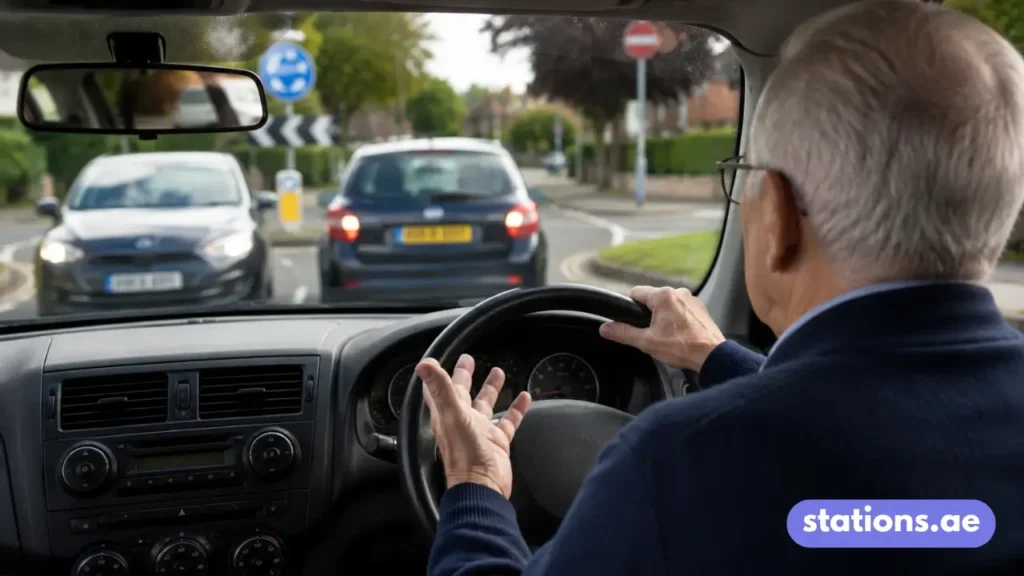
Driving ability can change slowly, so early warning signs are easy to miss. Frequent close calls or getting lost on familiar roads may show that driving has become harder.
You may also miss traffic signs, struggle to see at night, or react more slowly to danger. New dents and scrapes on the car can be another warning sign. Difficulty turning the steering wheel or braking safely may also affect your control.
Listen if family members often raise concerns about your driving. Feeling nervous or unusually anxious behind the wheel may also be a sign that you need to review your driving skills.
One sign does not always mean you must stop driving. However, several repeated problems may be a good reason to speak with your doctor or consider a driving assessment.
Tips for Older Drivers to Stay Safe on the Road
Simple habits can help you stay safer and more confident on the road. Have regular eye checks and review your medicines with a doctor or pharmacist.
Stay physically active to support your movement and strength. Avoid driving when you feel tired, and limit night driving if poor vision makes it harder to see clearly.
Plan familiar routes when possible and allow enough time for each trip. Keep up with changes to the Highway Code, even if you have driven for many years. You can also consider a driving assessment for useful feedback on your current skills.
Best Car Safety Features for Senior Drivers
Modern car safety features can make driving easier and help reduce common risks. Automatic emergency braking can apply the brakes when the car detects a possible crash. Blind-spot monitoring warns you about vehicles that may be hard to see.
A lane departure warning alerts you if the car moves out of its lane. A rear-view camera gives you a clearer view when reversing. Adaptive cruise control can help maintain a safe distance from the vehicle ahead.
Parking assist can make tight spaces easier to manage. Large, clear controls are also easier to read and use. A head-up display shows key driving details in your line of sight, so you can keep your eyes closer to the road.
Alternatives If Driving Is No Longer Safe
Stopping or reducing driving does not mean losing your independence. Public transport, community transport, taxis, and ride services can help you manage daily trips.
Family members may also help with shopping, appointments, or planned journeys. Some mobility schemes offer support for people with disabilities or limited movement.
Walking can be a good option for short trips when the route and conditions are safe. It also helps to plan regular transport in advance. A simple weekly travel plan can make appointments, shopping, and social visits easier to manage.
Frequently Asked Questions
At what age do you have to renew your driving licence in the U.K.?
You must renew your driving licence when you reach 70. You can start the renewal process up to 90 days before your 70th birthday.
How often do drivers over 70 renew their licence?
Once drivers reach 70, they need to renew their licence every three years. You must continue to meet the DVLA’s health and eyesight rules.
Do over-70s need an eyesight test to renew a licence?
A formal eyesight test is not currently required simply because you turn 70. However, you must meet the legal eyesight standard and confirm this when renewing your licence.
Do you have to retake your driving test at 70?
No. Turning 70 does not automatically require you to retake your driving test. The DVLA may ask for a test or assessment if medical or driving concerns arise.
Can you renew an over-70 driving licence online?
Yes. Eligible drivers can renew through the official DVLA online service. You may need to sign in and prove your identity during the process.
Can a doctor report an unsafe elderly driver to DVLA?
Yes, in serious cases. A doctor may share relevant information if a medically unfit driver continues driving and creates a serious risk to public safety. Medical confidentiality rules still apply.
Conclusion
There is no maximum driving age in the U.K., so you can keep driving as long as you remain fit and safe. However, you must renew your driving licence at 70 and every three years after that. You also need to meet the legal eyesight rules and report relevant medical conditions to the DVLA.
Possible eyesight rule changes are still separate from current law. Before renewing your licence, always check the latest DVLA guidance to make sure you follow the current rules. For more bus and metro timing information, please visit our website.