Honda and Toyota are the most popular car brands in the world. But the cost of owning them can differ over time. We estimate that Toyota vehicles average about $5,470 in maintenance and repair costs over 10 years, compared with $6,799 for Honda.
Both brands offer reliable cars, hybrid models, family SUVs, and options for different budgets. Toyota is often known for long-term value and its wide hybrid range. Honda attracts buyers with practical cars and a more engaging driving feel.
But which brand is better for you? In this Honda vs Toyota comparison, we compare reliability, hybrids, SUVs, price, and long-term value. We also look at key vehicle types to help you choose the right brand for your needs. After this guide, you will be able to purchase the best one for you.
- Quick Overview Table
- Reliability
- Performance
- Fuel Economy
- Fuel Economy
- Hybrid Reliability
- Hybrid Systems
- Safety
- Interior and Comfort
- Technology
- Price
- Maintenance Costs
- Resale Value
- Small Cars
- Midsize Cars
- SUVs
- Hybrid SUVs
- Minivans
- Trucks
- Honda Vs Toyota: What Reddit Users Say
- Honda Vs Toyota: Which Is Better?
- The Winner Is…
- Frequently Asked Questions
- Which is better, Honda or Toyota?
- Which is more reliable, Honda or Toyota?
- Does Honda or Toyota last longer?
- Are Toyota hybrids better than Honda hybrids?
- Which hybrid system is better, Honda or Toyota?
- Is Honda or Toyota cheaper?
- Which is cheaper to maintain, Honda or Toyota?
- Is Honda or Toyota better for SUVs?
- Which has better hybrid reliability, Honda or Toyota?
- Is the Honda Odyssey better than the Toyota Sienna?
- Conclusion
Quick Overview Table
| Category | Honda | Toyota |
| Reliability | 0 | 1 |
| Performance | 1 | 0 |
| Fuel Economy | 0 | 1 |
| Hybrid Cars | 0 | 1 |
| Hybrid Reliability | 0 | 1 |
| Hybrid System | 0 | 1 |
| Safety | 1 | 1 |
| Interior and Comfort | 1 | 0 |
| Technology | 1 | 0 |
| Price | 1 | 0 |
| Maintenance Costs | 0 | 1 |
| Resale Value | 0 | 1 |
| Small Cars | 1 | 0 |
| Midsize Cars | 0 | 1 |
| SUVs | 1 | 1 |
| Hybrid SUVs | 0 | 1 |
| Minivans | 1 | 1 |
| Trucks | 0 | 1 |
| Total Points | 8 | 13 |
| Final Result | Runner-Up | Winner: Toyota |
Reliability
Winner: Toyota
Reliability matters when you plan to keep a car for many years. Both Honda and Toyota have a strong record for building dependable vehicles. However, Toyota often has the edge in long-term durability.
Toyota engines are known for simple, proven designs and long service life. Many Toyota cars can last 200,000 miles or more with regular care. The brand also tends to have fewer major repair needs as vehicles age.
Honda also builds reliable engines, and many of its cars stay on the road for years. However, some models may need more repairs as they get older. Maintenance history, driving habits, and the model year can also affect lifespan.
Overall, Toyota wins for reliability. If you want a car for long-term ownership and fewer repair concerns, Toyota is often the safer choice.
Performance
Winner: Honda
Performance can change how a car feels on the road. Honda often focuses on sharp handling and quick engine response. Toyota puts more focus on comfort and a smooth driving experience.
The Honda Civic feels light and easy to control. The Honda Accord also offers responsive steering and a balanced ride. These cars suit drivers who enjoy a more sporty feel behind the wheel.
The Toyota Camry provides a smooth and comfortable ride for daily trips. The Toyota Corolla is also easy to drive, but it feels less sporty than the Civic.
Overall, Honda wins for performance. Choose Honda if you enjoy sharp handling and a more engaging drive. Toyota is a better fit if comfort and a calm ride matter more to you.
Fuel Economy
Winner: Toyota
Fuel economy is important for daily drivers who want to spend less at the gas pump. Both Honda and Toyota offer fuel-efficient cars, but Toyota has a wider range of models built to save fuel.
Honda cars deliver good gas mileage in city and highway driving. Models like the Civic and Accord work well for daily trips and long drives. Their hybrid versions can save even more fuel.
Toyota stands out for its strong hybrid range. The Prius, Camry, and several Toyota SUVs offer impressive hybrid fuel economy. Toyota also gives buyers more fuel-saving choices across different vehicle types.
Overall, Toyota wins for fuel economy. Its wide hybrid lineup makes it a strong choice for drivers who want to lower fuel costs.
Hybrid Reliability
Winner: Toyota
Honda vs Toyota hybrid reliability is important for buyers who plan to keep their car for many years. Both brands build dependable hybrids, but Toyota has a longer history with hybrid vehicles.
Toyota has used hybrid systems in cars like the Prius for many years. Its hybrid batteries are built for long-term use when the car receives proper care. Toyota’s long hybrid history also gives buyers more proven models to choose from.
Honda hybrids are also reliable and use modern hybrid systems. However, repair needs and battery life can vary by model, age, and service history. Regular maintenance can help any hybrid stay reliable for longer.
Overall, Toyota wins for hybrid reliability. Its proven hybrid history and wide range of long-lasting hybrid models give it an edge over Honda.
Hybrid Systems
Winner: Toyota
The Honda vs Toyota hybrid system comparison shows two different ways to save fuel. Toyota focuses on smooth and efficient hybrid driving. Honda uses a two-motor system that gives the car a more direct power feel.
How Toyota’s Hybrid System Works
The Toyota Hybrid System combines a gas engine with electric motors. At low speeds, the car can use electric power when conditions allow. The system moves between gas and electric power without much input from the driver.
Toyota hybrids also work well in city traffic, where frequent stops help recover energy. On the highway, the gas engine and electric system work together to balance power and fuel use.
How Honda’s Hybrid System Works
Honda’s two-motor hybrid system often uses the electric motor to drive the wheels during low-speed and city driving. The gas engine can help produce electricity and connect more directly to the wheels in certain driving conditions.
This setup gives Honda hybrids smooth power and quick response. It also works well on longer drives and at higher speeds.
Overall, Toyota wins for hybrid systems. Its proven setup, smooth power delivery, and strong fuel efficiency make it a good choice for most hybrid buyers.
Safety
Winner: Tie
Safety is a key concern when choosing a new car. Honda and Toyota both offer smart driver-assist features that can help reduce risks on the road.
Toyota uses Toyota Safety Sense on many of its vehicles. Depending on the model, the system may include automatic emergency braking, lane support, and adaptive cruise control. Blind-spot features are also available on many Toyota models.
Honda offers a similar package called Honda Sensing. It includes braking support, lane keeping assist, and adaptive cruise control on many models. Honda also offers blind-spot monitoring on selected vehicles and trims.
Overall, this category is a tie. Toyota Safety Sense and Honda Sensing both provide useful safety tools. The exact features can vary by model and trim, so buyers should check the equipment before choosing a car.
Interior and Comfort
Winner: Honda
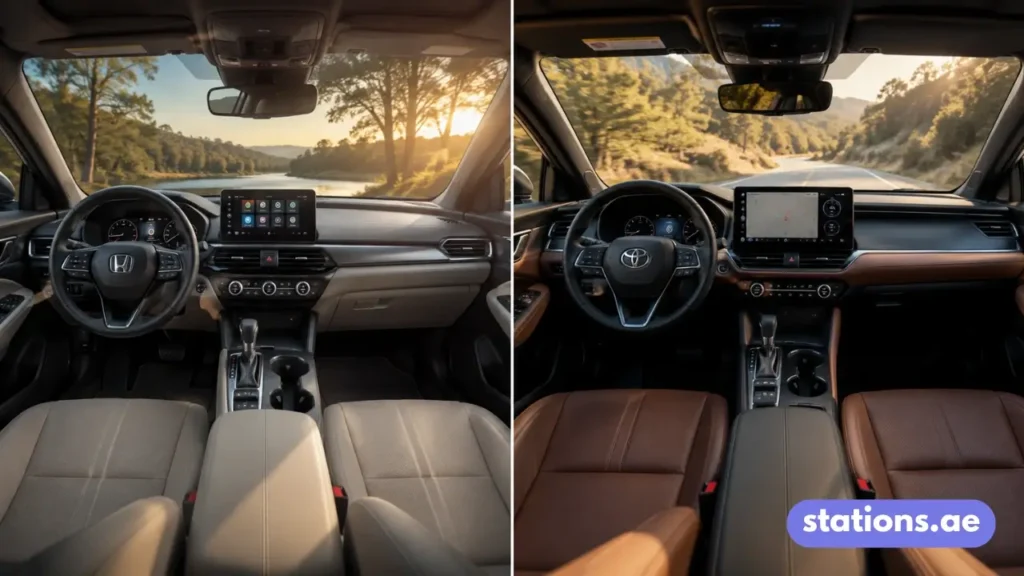
A comfortable interior can make daily trips and long drives more enjoyable. Honda and Toyota both offer practical cabins, but Honda often makes better use of the space inside.
Honda vehicles usually provide roomy seats and a clean interior design. Models like the Civic, Accord, and CR-V offer good passenger space and useful cargo room. These features also make many Honda models a good choice for families.
Toyota cabins focus more on comfort and simple controls. Many models offer supportive seats and practical storage. However, interior space and cargo room can vary across the Toyota lineup.
Overall, Honda wins for interior and comfort. Its roomy cabins, smart use of space, and family-friendly design give it a small edge over Toyota.
Technology
Winner: Honda
Modern car technology can make every drive easier and more enjoyable. Honda and Toyota both offer useful infotainment and driver features, but Honda often provides a simple and easy-to-use setup.
Many Honda models come with clear touchscreens and digital displays. Apple CarPlay and Android Auto make it easy to connect a phone for music, maps, and calls. Honda also offers useful driver technology on many newer models.
Toyota also provides modern touchscreens, phone connectivity, and digital displays. Its latest systems are easy to use, but features can differ by model and trim.
Overall, Honda wins for technology. Its simple infotainment controls and useful connectivity features give it a small edge over Toyota.
Price
Winner: Honda
The Honda vs Toyota price comparison can help buyers choose a car that fits their budget. Both brands offer entry-level cars, hybrids, and SUVs at different price points. However, Honda often gives buyers strong value for the upfront cost.
Honda models like the Civic offer practical features at a competitive starting price. Its SUVs also provide a good mix of space, comfort, and useful features. Hybrid prices can rise, but buyers still get good fuel savings and daily value.
Toyota prices vary across its large vehicle range. Some Toyota hybrids and SUVs may cost more, especially in higher trims. However, their strong resale value can help balance the higher purchase price over time.
Overall, Honda wins for price. It is a good choice for buyers who want a lower upfront cost and strong value for money.
Maintenance Costs
Winner: Toyota
Maintenance costs can add up when you own a car for many years. Honda and Toyota are both known for reasonable service costs, but Toyota often has a small edge in long-term ownership.
Routine maintenance, such as oil changes, tire care, and brake service, is usually simple for both brands. Toyota parts are widely available, and many models have a strong record for needing fewer major repairs as they age.
Honda vehicles are also affordable to maintain. However, repair costs can vary by model, engine, and vehicle age. A well-serviced Honda can still remain dependable for many years.
Overall, Toyota is often cheaper to maintain over the long term. Its widely available parts and strong reliability give it the win in this category.
Resale Value
Winner: Toyota
Resale value matters if you plan to sell or trade in your car later. Both Honda and Toyota hold their value well, but Toyota often has a small advantage in the used car market.
Toyota vehicles usually face slower depreciation because many buyers trust their long-term reliability. Strong demand for used Toyota cars, SUVs, and hybrids can also help support higher trade-in values.
Honda vehicles also keep good value over time. Popular models like the Civic, Accord, and CR-V often attract used car buyers. However, resale value can change based on the model, age, mileage, and condition.
Overall, Toyota wins for resale value. Strong used car demand and long-term value make it a good choice for buyers thinking about future trade-in or resale.
Small Cars
Winner: Honda
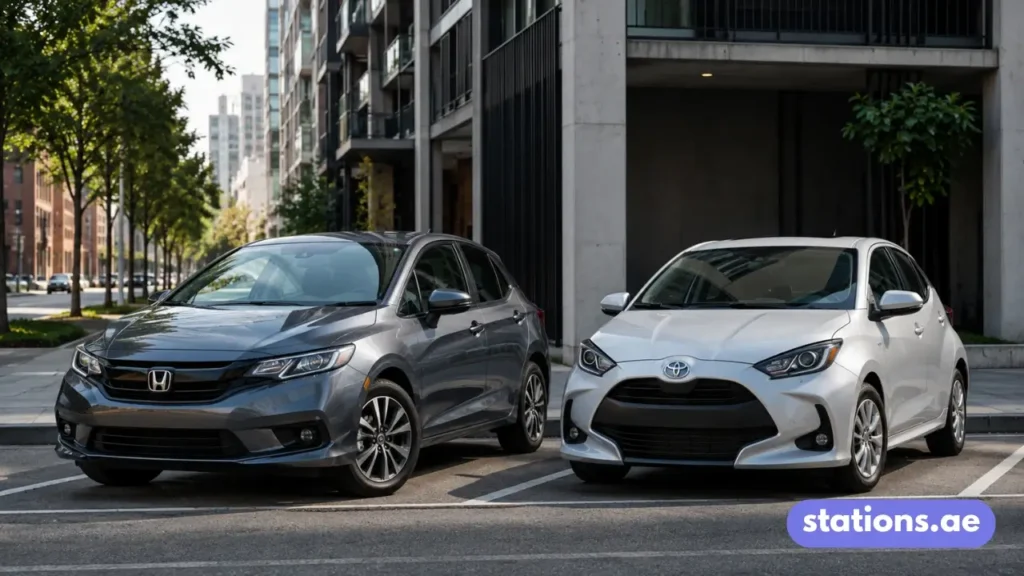
Honda and Toyota both offer small cars that work well for daily driving. Honda takes the lead in this category because the Civic lineup combines good space, fuel economy, and a more enjoyable driving feel.
The Honda Civic is practical, comfortable, and responsive on the road. The Civic Hybrid adds better fuel economy while keeping the smooth driving experience that many Civic buyers enjoy.
Toyota offers the Corolla and Corolla Hybrid. The Corolla is easy to drive and has a strong name for reliability. The Corolla Hybrid is a good choice for drivers who want to use less fuel during daily trips.
Both brands build strong small cars. However, Honda wins this category because the Civic and Civic Hybrid offer a better mix of comfort, space, and engaging performance.
Midsize Cars
Winner: Toyota
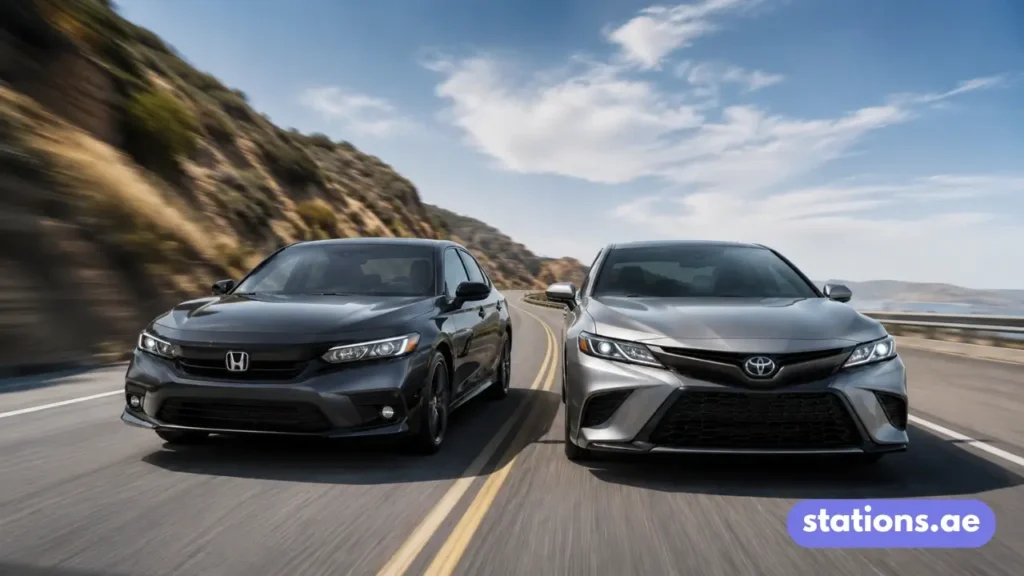
Honda and Toyota both build popular midsize cars for daily driving and family use. Honda offers the Accord and Accord Hybrid, while Toyota competes with the Camry.
The Honda Accord provides a roomy cabin, comfortable seats, and a smooth driving feel. The Accord Hybrid adds better fuel economy and offers quick, smooth power for city and highway trips.
The Toyota Camry combines comfort, fuel efficiency, and a strong record for long-term reliability. Its hybrid-focused powertrain also makes it a practical choice for drivers who want to save fuel without giving up cabin space.
Overall, Toyota wins the midsize car category. The Camry offers a strong mix of fuel economy, comfort, and long-term value.
SUVs
Winner: Honda or Toyota Based on Your Needs
The Honda vs Toyota SUV comparison is close because both brands offer strong choices. Honda often focuses on comfort and cabin space. Toyota gives buyers more options for hybrid driving and off-road use.
For small SUVs, the Honda HR-V offers a roomy cabin and easy driving. The Toyota Corolla Cross stands out for its practical design and available hybrid option.
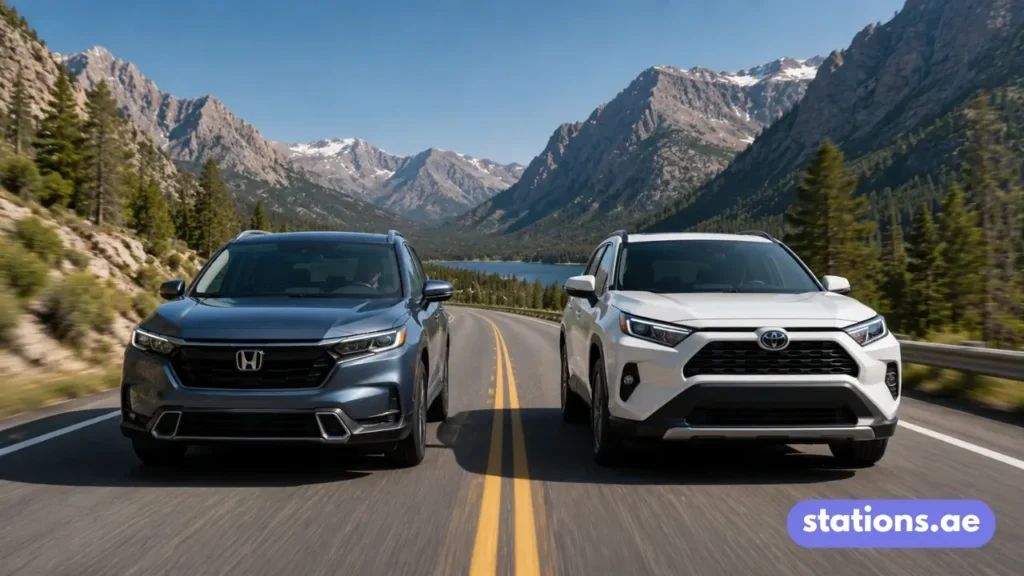
The Honda CR-V and Toyota RAV4 are popular compact SUVs. The CR-V offers a spacious interior and comfortable ride. The RAV4 provides strong fuel economy, available hybrid options, and a practical design.
For three-row families, the Honda Pilot offers plenty of passenger space and a family-friendly cabin. The Toyota Highlander focuses on comfort and fuel savings, with a hybrid model available.
The Honda Passport works well for buyers who want a roomy two-row SUV. The Toyota 4Runner is a better fit for drivers who need stronger off-road ability and a more rugged design.
Overall, there is no single winner for SUVs. Choose Honda for cabin space and family comfort. Toyota may be better for hybrid choices and off-road driving.
Hybrid SUVs
Winner: Toyota
Honda and Toyota both offer fuel-saving hybrid SUVs. However, Toyota wins this category because it gives buyers more hybrid SUV choices across different sizes.
The Honda CR-V Hybrid offers a roomy cabin, smooth power, and good fuel economy. It is a practical choice for daily driving and small families.
The Toyota RAV4 Hybrid combines useful cargo space with strong fuel efficiency. Buyers who need more seats can consider the Toyota Highlander Hybrid. The Toyota Grand Highlander Hybrid adds even more passenger and cargo space for larger families.
Overall, Toyota wins for hybrid SUVs. Its broader lineup gives buyers more choices, from compact SUVs to larger three-row family vehicles.
Minivans
Winner: Depends on Your Needs
The Honda vs Toyota minivan comparison mainly comes down to driving feel and fuel economy. The Honda Odyssey and Toyota Sienna both offer roomy cabins, flexible seating, and useful features for families.
Honda Odyssey
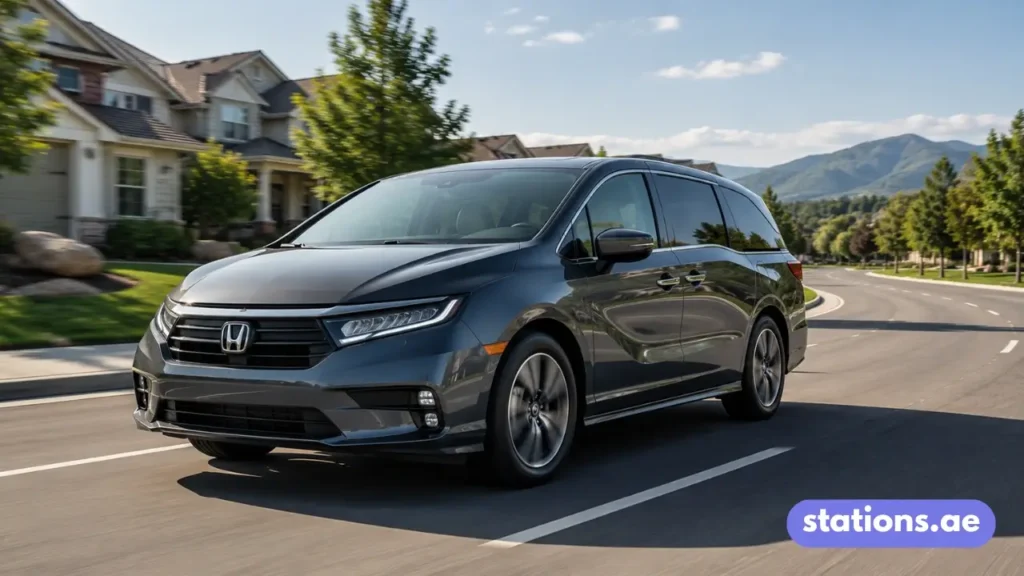
The Honda Odyssey offers plenty of passenger space and a practical cabin. Its flexible seating makes it easier to manage children, passengers, and cargo. The Odyssey also provides a smooth and confident driving experience for a large family vehicle.
Toyota Sienna
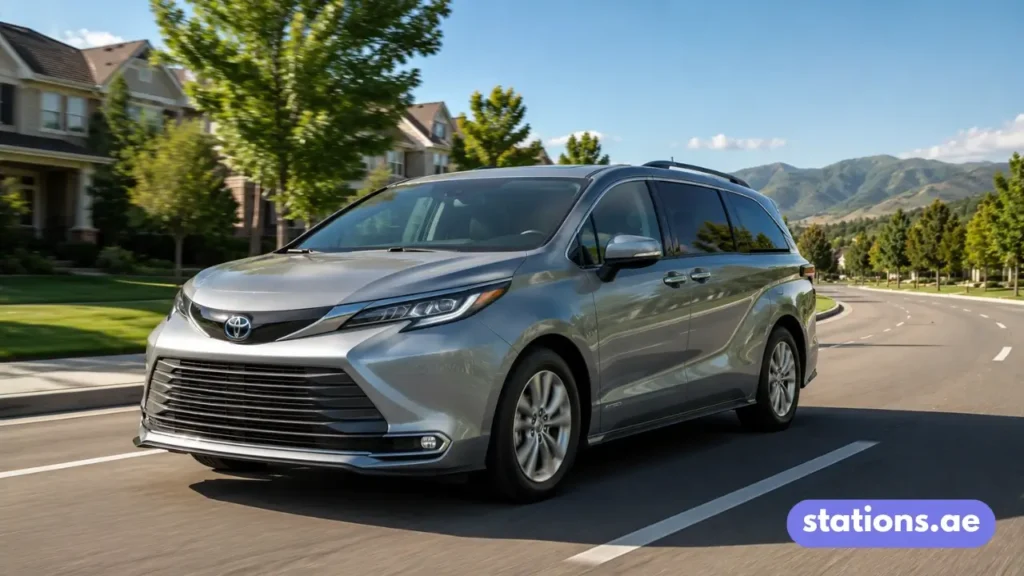
The Toyota Sienna stands out with its hybrid powertrain. It offers strong fuel economy, which can help families save money on regular trips. The Sienna also provides spacious seating and useful features for daily family use.
Overall, the winner depends on your needs. Choose the Honda Odyssey for flexible seating and a more engaging drive. Pick the Toyota Sienna if hybrid fuel economy is your main concern.
Trucks
Winner: Toyota
Honda and Toyota take different approaches to trucks. Honda focuses more on daily comfort, while Toyota offers stronger choices for towing and off-road driving.
The Honda Ridgeline has a smooth ride and a comfortable cabin. Its car-like driving feel makes it easy to use for daily trips. It can handle light truck duties, but it is less focused on heavy work and rough trails.
The Toyota Tacoma is a stronger choice for off-road driving and demanding jobs. It offers rugged trims and useful truck features. The larger Toyota Tundra provides more towing ability and works better for buyers who need a full-size pickup.
Overall, Toyota wins the truck category. Choose Toyota for towing, off-road ability, and a wider truck range. The Honda Ridgeline is a better fit if daily comfort and easy driving matter most.
Honda Vs Toyota: What Reddit Users Say
Honda vs Toyota Reddit discussions often show strong support for both brands. These comments reflect owner experiences and personal views, so they should not be treated as proven facts.
Many Reddit users favor Toyota for long-term reliability and simple ownership. Some owners also feel Toyota is a safer choice when buying an older used car. Regular maintenance and service history still play a major role in how long any car lasts.
Honda often gets praise for its driving experience. Users commonly describe Honda cars as more responsive and enjoyable to drive. Models like the Civic and Accord are popular among drivers who want a practical car with a sportier feel.
Hybrid owners often discuss Toyota’s long history with hybrid cars. Honda hybrids also receive positive comments for smooth power and daily driving. However, many users suggest comparing the exact model, mileage, and maintenance history before buying.
Overall, Reddit opinions often lean toward Toyota for reliability and hybrid ownership. Honda receives more praise for driving feel. These are community views, and real ownership results can differ by car and owner.
Honda Vs Toyota: Which Is Better?
The Honda vs Toyota which is better debate has no single answer for every driver. Toyota leads in more long-term ownership areas, while Honda stands out for performance, interior space, and technology.
The table below shows the winner in each category based on our comparison.
| Category | Winner |
| Reliability | Toyota |
| Performance | Honda |
| Fuel Economy | Toyota |
| Hybrid Cars | Toyota |
| Hybrid Reliability | Toyota |
| Hybrid System | Toyota |
| Safety | Tie |
| Interior | Honda |
| Technology | Honda |
| Price | Honda |
| Maintenance | Toyota |
| Resale Value | Toyota |
| Small Cars | Honda |
| Midsize Cars | Toyota |
| SUVs | Depends on Your Needs |
| Hybrid SUVs | Toyota |
| Minivans | Depends on Your Needs |
| Trucks | Toyota |
Toyota is the better choice for buyers who value reliability, hybrid options, lower long-term costs, and resale value. Honda may suit drivers who want sporty performance, roomy interiors, and easy-to-use technology.
Your final choice should depend on your budget, driving needs, and preferred vehicle type. Always compare the exact Honda and Toyota models before you buy.
The Winner Is…
Toyota
Toyota is the overall winner in this Honda vs Toyota comparison. It stands out for long-term reliability, proven hybrid technology, strong resale value, and lower ownership concerns over time. Toyota also offers more hybrid choices across cars and SUVs.
However, this does not mean every Toyota is better than every Honda. Honda is still a strong choice for drivers who enjoy sporty driving and responsive handling. Its practical interiors and strong small cars also make it a good option for many buyers.
In the end, Toyota wins more categories in our comparison. Still, the best brand for you depends on the model, your budget, and how you plan to use the car.
Frequently Asked Questions
Which is better, Honda or Toyota?
Toyota is better for reliability, hybrid choices, and long-term value. Honda is a better fit for sporty driving, practical interiors, and responsive handling.
Which is more reliable, Honda or Toyota?
Toyota generally has a stronger reputation for long-term reliability. However, Honda also builds dependable cars that can last many years with proper care.
Does Honda or Toyota last longer?
Toyota often has a small edge in long-term durability. Cars from both brands can last 200,000 miles or more when serviced and cared for properly.
Are Toyota hybrids better than Honda hybrids?
Toyota hybrids are often better for buyers who want more model choices and a long hybrid history. Honda hybrids still offer smooth power and good fuel economy.
Which hybrid system is better, Honda or Toyota?
Toyota’s hybrid system is a strong choice for smooth driving and fuel efficiency. Honda’s two-motor system offers quick response and a more direct driving feel.
Is Honda or Toyota better for SUVs?
Honda is a good choice for cabin space and family comfort. Toyota offers more hybrid SUV choices and stronger options for off-road driving.
Conclusion
Honda and Toyota are both strong car brands, but they suit different types of drivers. Toyota is a better choice for reliability, hybrid options, resale value, and long-term ownership. Its wide vehicle range also gives buyers more fuel-saving choices.
Honda stands out for performance, responsive driving, practical cabin design, and strong small cars. Models like the Civic and Accord are good choices for drivers who want comfort with a more engaging driving feel.
Before you buy, compare the exact models, prices, and features. The best choice is the car that fits your budget and daily driving needs. For more bus and metro timing information, please visit our website.