Car batteries are designed to last for years. However, many drivers in Dubai notice battery failure much earlier than expected. One common but often overlooked reason is basement parking.
Basement parking protects vehicles from direct sunlight, but it also creates a closed environment. Heat, moisture, and limited airflow stay trapped underground. Over time, these conditions quietly damage the battery and reduce its lifespan.
Understanding how basement parking affects your car battery helps you avoid sudden breakdowns and unnecessary stress.
- How a Car Battery Works
- Heat Stays Trapped in Basement Parking
- Limited Airflow Increases Battery Stress
- Humidity Creates Hidden Damage
- Short Drives Reduce Battery Charging
- Modern Car Electronics Drain Power While Parked
- Temperature Changes Add Extra Pressure
- Lack of Sunlight Affects the Environment
- Warning Signs of Battery Stress
- Simple Ways to Protect Your Battery
- When Battery Replacement Becomes Necessary
- Final Thoughts
How a Car Battery Works
A car battery stores electrical energy and delivers it when the engine starts. It also powers lights, sensors, and electronic systems when the engine is off.
Once the car starts, the alternator recharges the battery while driving. For the battery to stay healthy, it needs regular charging and stable temperatures. When either of these is missing, battery performance drops.
Basement parking interferes with both temperature control and charging balance.
Heat Stays Trapped in Basement Parking
Dubai’s heat does not disappear underground. In many buildings, basement parking areas remain warm throughout the day and night.
High heat affects batteries in several ways:
- Battery fluid evaporates faster
- Internal chemical reactions speed up
- Battery plates weaken over time
- Charge-holding capacity decreases
Unlike open parking, basement areas cool very slowly. This means the battery stays under heat pressure for longer hours, which leads to early failure.
Limited Airflow Increases Battery Stress
Basement parking spaces often have poor ventilation. Even when fans are installed, airflow is usually limited.
Without fresh air circulation, heat builds up around the engine bay. After parking, the car takes much longer to cool down. This trapped heat continues to affect the battery even when the vehicle is not in use.
Over time, this constant warmth accelerates battery aging.
Humidity Creates Hidden Damage
Moisture is another major issue in basement parking. Underground areas often have higher humidity due to water seepage, poor drainage, and lack of sunlight.
High humidity can cause:
- Corrosion on battery terminals
- Weak electrical connections
- Power flow interruptions
- Difficulty starting the engine
Corrosion may start slowly, but it significantly reduces battery efficiency if not cleaned regularly.
Short Drives Reduce Battery Charging
Many drivers use basement parking at home and work. Daily driving often involves short trips only.
Short trips cause problems because the alternator does not get enough time to recharge the battery fully. As a result, the battery stays undercharged for long periods.
When this happens repeatedly, battery strength drops faster, especially in warm basement conditions.
Modern Car Electronics Drain Power While Parked
Today’s vehicles use advanced electronic systems. These systems continue to draw power even when the car is parked.
Standard systems that consume battery power include:
- Alarm and security systems
- Keyless entry features
- Sensors and onboard computers
- Parking and monitoring systems
In basement parking, cars may remain parked for many hours. Heat increases internal resistance, which makes power drain faster and weakens the battery over time.
Temperature Changes Add Extra Pressure
A car parked in a basement stays warm. Once driven outside, it quickly faces extreme road heat.
These frequent temperature changes can:
- Expand and contract battery components
- Loosen internal connections
- Reduce long-term battery stability
Repeated exposure to sudden temperature shifts places extra stress on the battery and shortens its usable life.
Lack of Sunlight Affects the Environment
While sunlight does not charge car batteries, it plays an indirect role in battery health.
Basement parking lacks:
- Natural heat release
- Moisture reduction
- Air freshness
Without sunlight and airflow, moisture and heat stay trapped. This creates an environment where batteries wear out faster than in open parking areas.
Warning Signs of Battery Stress
Drivers should watch for early signs of battery trouble, especially if the car is parked underground daily.
Common warning signs include:
- Slow or weak engine start
- Dim headlights
- Dashboard warning lights
- Clicking sound when turning the key
- Battery failure within 1–2 years
Spotting these signs early helps avoid unexpected breakdowns.
Simple Ways to Protect Your Battery
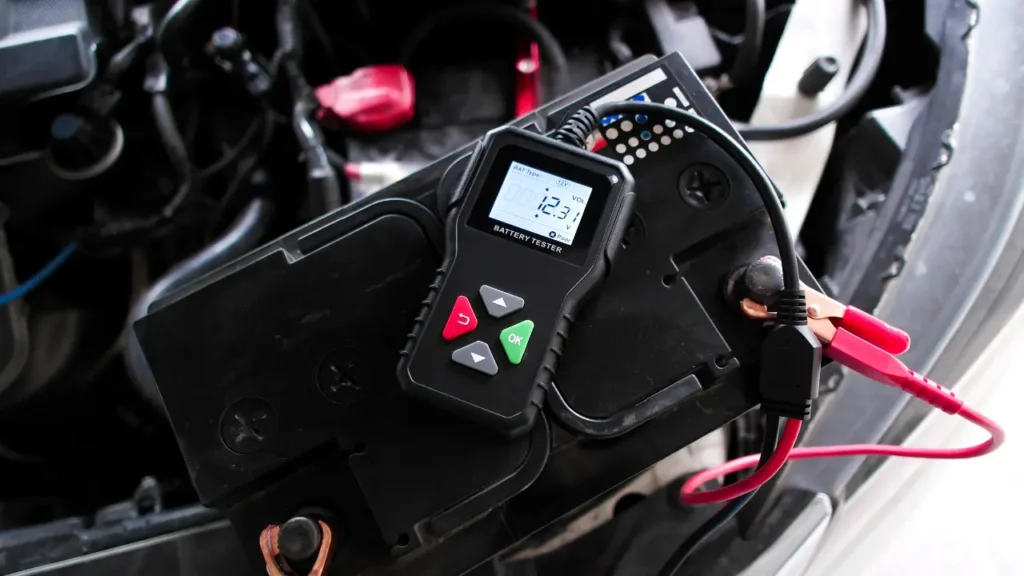
Even if you use basement parking daily, small habits can help extend battery life.
Helpful practices include:
- Driving longer distances at least once a week
- Starting the car regularly if unused
- Keeping battery terminals clean
- Turning off unused electronic features
- Parking near better-ventilated areas
These steps reduce stress on the battery and improve overall reliability.
When Battery Replacement Becomes Necessary
Despite good care, car batteries have a limited lifespan in Dubai’s climate. If a battery shows repeated weakness or fails without warning, a timely Car battery change in Dubai helps prevent further electrical issues and ensures reliable vehicle performance.
Replacing the battery before complete failure also protects sensitive electronic components.
Final Thoughts
Basement parking may seem safe, but it creates challenging conditions for car batteries in Dubai. Heat, humidity, poor airflow, and idle drain quietly work together to shorten battery life.
By understanding these factors and following simple care steps, drivers can reduce battery stress and enjoy more dependable performance. Smart awareness leads to fewer breakdowns and a smoother driving experience in Dubai’s demanding environment.