When your electric or hybrid vehicle refuses to start despite showing a full charge, most drivers panic about expensive traction battery problems. The actual culprit is usually much simpler: your 12-volt auxiliary battery has failed.
This small battery powers everything from door locks to the computer systems that wake up your vehicle. When it dies, you’re stranded, regardless of how much charge sits in your main battery.
Here’s how to catch the problem before it leaves you stuck in a Dubai parking lot.
- Why Your EV Still Needs a 12-Volt Battery
- Warning Sign 1: Dashboard Alerts About the 12V System
- Warning Sign 2: Slow or Delayed Startup Response
- Warning Sign 3: Erratic Accessory Behavior
- Warning Sign 4: Remote Features Stop Working
- Warning Sign 5: Vehicle Won’t Start Despite Full Charge
- What Kills Auxiliary Batteries in Dubai
- Testing Before Problems Start
- When to Replace vs. Recharge
- Choosing the Right Replacement
- Replacement Costs and Process
- Protecting Your New Battery
- What to Do When Stranded
- The Bottom Line
Why Your EV Still Needs a 12-Volt Battery
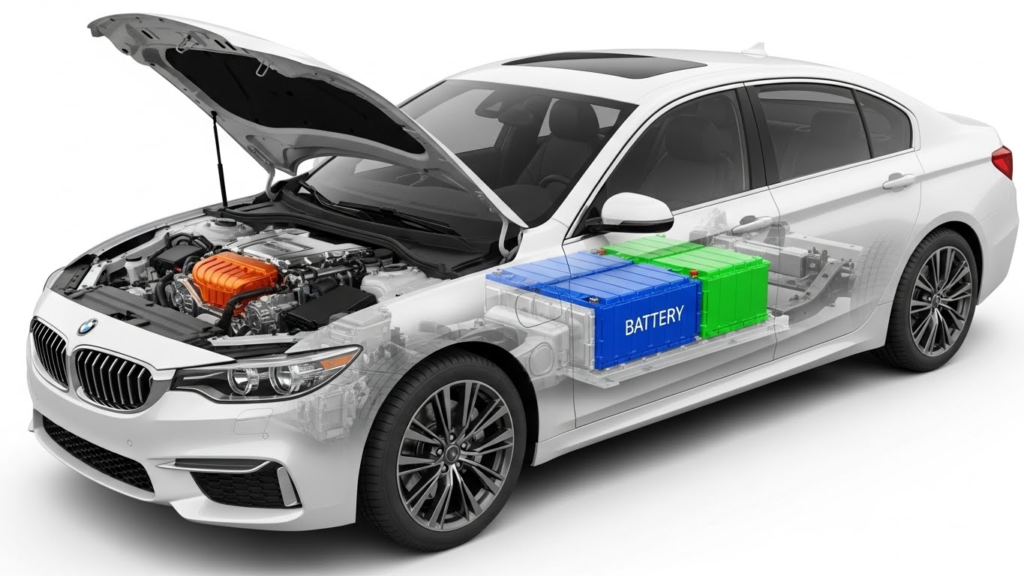
Electric and hybrid vehicles use high-voltage traction batteries for propulsion. But they also depend on a standard 12-volt auxiliary battery for low-voltage systems.
This auxiliary battery powers your displays, safety systems, door locks, and vehicle computers. Most importantly, it activates the contactors that connect your traction battery when you press the start button.
No working 12-volt battery means no access to your main battery. Full charge becomes irrelevant when the auxiliary system can’t power up the vehicle computers.
Dubai’s heat kills these batteries faster than moderate climates. Expect three years of life here versus five years elsewhere. The extreme temperatures accelerate the chemical degradation inside lead-acid batteries.
Warning Sign 1: Dashboard Alerts About the 12V System
Modern EVs and hybrids constantly monitor auxiliary battery health. When the voltage drops below safe levels, you’ll see specific warnings.
Messages like “12V Battery Low” or “Auxiliary Battery Service Required” appear on your display. Some vehicles show a battery symbol with an exclamation mark.
Don’t ignore these alerts. They indicate your battery can’t maintain proper voltage. You have days or weeks before complete failure, not months.
Warning Sign 2: Slow or Delayed Startup Response
Press the brake and start button, then notice a hesitation before the vehicle activates? That delay signals insufficient auxiliary battery power.
You might see dashboard lights dim momentarily during startup. Displays might take longer to illuminate fully. These slow responses mean the battery can’t deliver the quick power surge your electronics demand.
The problem worsens as the battery degrades. What starts as a one-second delay becomes a three-second delay, then complete failure.
Warning Sign 3: Erratic Accessory Behavior
Windows move more slowly than normal. Seats adjust sluggishly. The infotainment system freezes or randomly reboots.
These symptoms indicate voltage fluctuations from a failing battery. Accessories need consistent power for smooth operation. When voltage drops and spikes, performance becomes unpredictable.
Pay attention to problems that worsen after parking in the heat. High temperatures drain weak batteries faster, making symptoms more obvious after sun exposure.
Warning Sign 4: Remote Features Stop Working
Can’t unlock your vehicle with the mobile app? Remote climate control won’t start? These connected features run entirely on auxiliary battery power when the vehicle is off.
The telematics module stays active during parking, slowly draining the battery. When the battery weakens, this module can’t maintain a connection. Remote functions fail intermittently, then stop completely.
If your app connectivity becomes unreliable, expect full auxiliary battery failure within weeks.
Warning Sign 5: Vehicle Won’t Start Despite Full Charge
Your charging app shows 80% on the traction battery. You press start. Nothing happens except an error message.
This is a complete auxiliary battery failure. Your main battery holds plenty of energy, but the 12-volt system can’t power up the computers to access it.
Many drivers first experience this after summer afternoons in shopping mall parking lots. The heat accelerates the final failure of an already weak battery.
What Kills Auxiliary Batteries in Dubai
Heat is the primary killer. Dubai’s summer temperatures exceed 45°C regularly. Inside parked vehicles, temperatures reach 70°C or higher.
These conditions accelerate chemical reactions that degrade the battery. Fluid evaporates faster. Internal plates corrode more quickly. A battery rated for five years might last three years here.
Short city trips compound the problem. The battery needs adequate charging time to recover from starting and powering accessories. Frequent short drives prevent full recharging.
Extended parking also causes faster drainage. Security and telematics systems draw power continuously. In hot weather, this parasitic drain depletes a weak battery within days.
Aftermarket accessories like dashcams and GPS trackers add extra drain that the factory system wasn’t designed to support.
Testing Before Problems Start
Don’t wait for warning signs. Regular testing catches problems when solutions are cheaper and simpler.
Most battery specialists perform complete auxiliary system tests in 15 minutes. They check voltage, cold cranking amps, and internal resistance to determine the actual battery condition.
For EVs and hybrids, request a DC-to-DC converter function test. This ensures your charging system properly maintains the auxiliary battery. A healthy battery with a faulty converter still fails prematurely.
Test every six months in Dubai’s climate. Annual testing isn’t frequent enough, given accelerated heat degradation. Many service centers include this test free with other maintenance.
When to Replace vs. Recharge
A completely dead battery sometimes just needs proper recharging if the failure resulted from leaving lights on or extended parking.
But batteries that repeatedly die or show reduced capacity need immediate replacement. Recharging degraded batteries provides only temporary relief. Another failure follows soon.
Replace any battery over three years old in Dubai, even if currently working. The unexpected failure risk outweighs the cost of proactive replacement.
Warning lights after recharging confirm end of life. Same if testing shows capacity below 80% of the original rating.
The cost of roadside service exceeds the Amaron battery price for quality replacement. Don’t gamble on a borderline battery.
Choosing the Right Replacement
AGM (Absorbed Glass Mat) batteries work better than conventional flooded batteries in EVs and hybrids. They tolerate heat better and resist vibration damage more effectively.
Match or exceed the cold cranking amp rating specified by your manufacturer. Verify dimensions exactly match your battery compartment.
Quality matters significantly. Premium brands like Amaron engineer batteries specifically for EV and hybrid demands, with enhanced heat resistance critical for Dubai conditions.
Replacement Costs and Process
Quality auxiliary batteries cost AED 400-800 in the UAE market. Installation adds AED 100-300 depending on battery location and vehicle design.
Some EVs hide batteries under seats, in trunks, or beneath cargo floors. Tesla places them under the front trunk liner. Nissan Leafs keep them in the engine bay. Access difficulty varies dramatically.
Most modern EVs and hybrids need battery registration after installation. This tells the vehicle computer a new battery is installed so it can optimize charging. Skipping this causes premature failure.
Mobile services charge 20-30% premiums for convenience. Worth it if stranded, unnecessary for planned maintenance.
Budget for replacement every three years in Dubai. Include this in routine maintenance planning.
Protecting Your New Battery
Park in covered or shaded areas whenever possible. Even a minor temperature reduction extends battery life significantly. Underground parking is ideal during the summer.
If your vehicle sits unused over a week, consider a battery maintainer. These provide a trickle charge that offsets parasitic drain without overcharging.
Drive regularly, at least once every three days. Short trips won’t fully recharge the battery, but prevent it from sitting partially discharged.
Monitor battery health through your vehicle app if available. Many EVs display auxiliary battery voltage in settings menus. Check monthly to catch declining voltage early.
What to Do When Stranded
Call roadside assistance. They can jump-start the 12-volt system like conventional vehicles, getting you running temporarily so you can reach a service center.
You can jump-start yourself with cables and another vehicle. Connect to the 12-volt battery, not the traction battery. Check your owner’s manual for proper jump-start points.
Don’t drive long distances on a jump start. Head directly to the nearest battery service center. The failing battery won’t hold a charge.
Many mobile battery services in Dubai respond within 45 minutes. They’ll test, diagnose, and install replacements on location.
Keep a reliable battery service number in your phone’s favorites. Specialists stock batteries for common EV and hybrid models.
The Bottom Line
Your auxiliary battery deserves the same attention as tire pressure and wiper blades. It’s routine maintenance, not sophisticated technology.
Watch for warning signs. Test every six months. Replace proactively at three years rather than waiting for failure.
This small investment in preventive maintenance saves frustration and expense from unexpected breakdowns. Your vehicle’s electric propulsion might be cutting-edge, but the 12-volt system keeping everything running is straightforward and easy to maintain.
Give it the care it needs, and it won’t let you down.